There was a span of about four books that I read either in a row–or close enough that it felt like it–that all began in media res, which is to say “into the middle of things.” It felt like a strong trend there for a while, kind of like what I mentioned in my First Person post a few weeks ago. Thankfully, it hasn’t become ubiquitous, at least in what I’m reading. But I thought I’d break it down, determine if it’s possible to avoid it, and try to explain why I don’t like it.
A story has to start somewhere and the best place to start it is at the beginning. That seems like a no brainer, right? But where does a story begin?
Spoiler alerts for my story, “In God’s Own Image.”
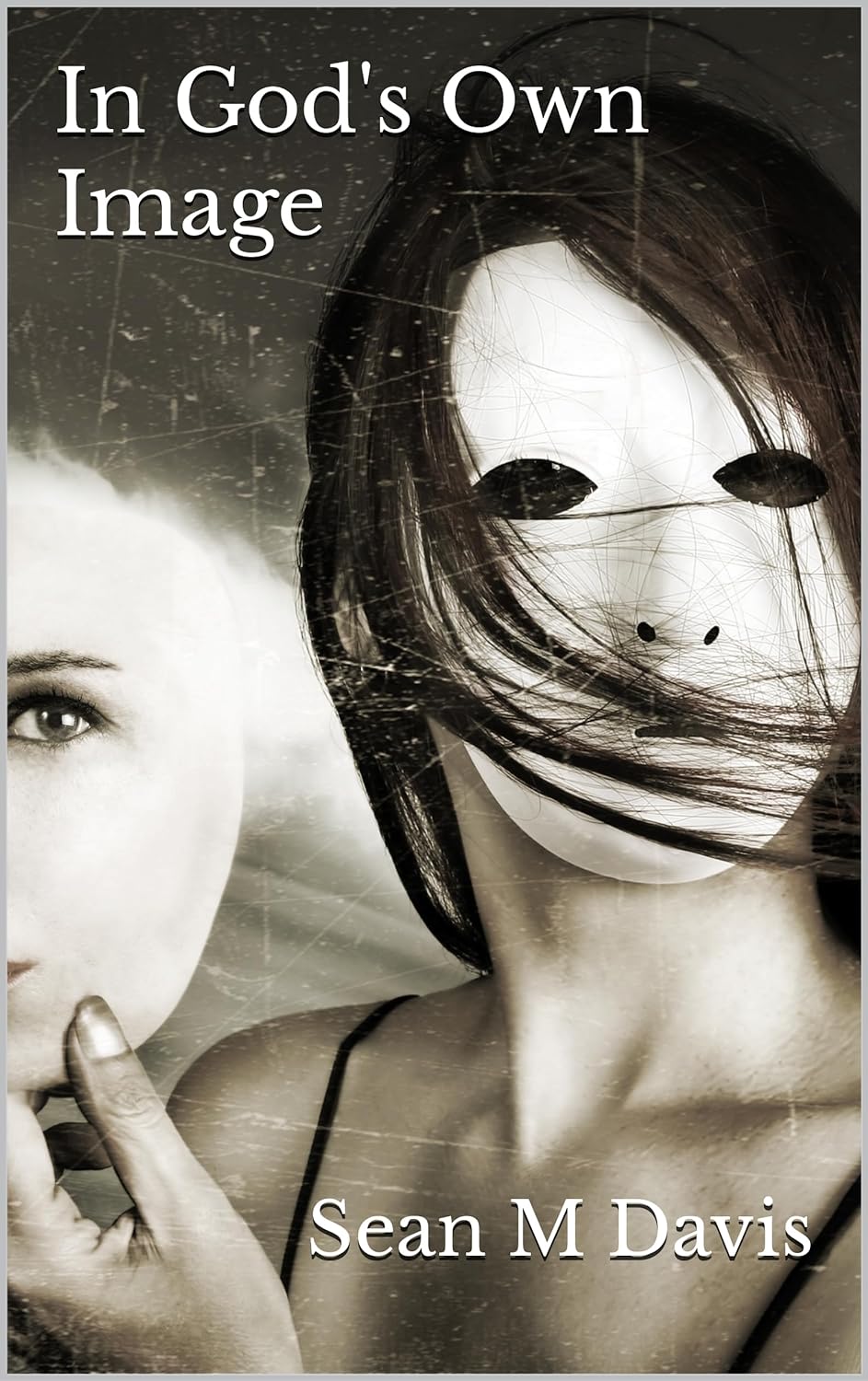
The story starts with Viola sitting down at her vanity to draw on her face. This is meant quite literally, as Viola is a faceless Shape existing after an apocalyptic event called the Reforming. I started the story at this moment because that is how the story first came to me: it was the image of this mannequin-like figure drawing their face into existence. The story developed from there as I explored who this character was, the world she lived in, the other characters she interacted with, and the conflicts she faced, all of which I developed from the central image.
Did I start this story in media res?
Not in the traditional sense, no. While there are short flashbacks that give context to some events, they are told in line with the central narrative and don’t last more than a paragraph or two.
No, in media res is much lengthier and obvious. The best example I have from recent books I’ve read is Something in the Water (reviewed here). I’m not spoiling anything that doesn’t happen in the first chapter, which is kind of my point: the main character, Erin, is digging an illicit grave for her husband Mark, with no context or explanation as to what happened or why. The second chapter is three months earlier, which we know because each chapter is sub-headed with the date, and narrates the events that led to Erin, rather happily, digging her husband’s grave.
As usual, I blame the education system.
I remember learning to write stories in school and being encouraged to start with “an exciting incident.” Most submission calls from magazines and anthologies exacerbate the problem, telling writers to “grab them from the first sentence and never let go!” Unfortunately, that leads to a lot of stories flirting with or even fully embracing poor technique.
But is it something you can really avoid?
The only book I’ve ever read that started at the very beginning was Oliver Twist, which starts with the main character being born. Every other story picks up the characters’ lives at some point. However, as I mentioned earlier, there’s a difference between starting at the beginning and starting at the beginning of the story.
Where a story begins depends on the plot of the story, the central conflict, the question that will be answered by the narrative, etc. Even slice of life existentialism has to start somewhere. As an example, let’s look at that paragon example of fine storytelling, Legally Blonde.
After a scene to establish Elle’s character as smart and confident, the conflict of the movie is introduced with a scene between her and her boyfriend, Warner, in which Elle expects to be proposed to, but is broken up with instead. This initiates the narrative, which is Elle’s journey to become more “serious” as a student at Harvard Law School and win Warner and the life she thinks she wants back.
The story doesn’t start at the beginning but it does start at the beginning of the narrative, even taking the time to establish Elle’s character before introducing the conflict.
While it’s not necessarily a deal breaker, I do find in media res to be a weak story telling technique, right up there with a story starting out with some batshit crazy opening that turns out to just be the main character’s dream, or when a character looks into a mirror and describes themselves to themself for the benefit of the reader. I usually feel this way because the ‘in the middle of things’ opening often disguises a weak or uninteresting story that I have to slog through to get an explanation for the opening, which may or may not be satisfying in the completion. Ultimately, I find a manipulative technique.
That’s not to say that a story that starts in media res has automatically lost me. But it has to work hard to keep me.

 The Chimerical Dark